How to Wash Custom Printed Shirts So the Design Lasts
A step-by-step routine for washing printed shirts, what changes for DTF, vinyl, screen printing, sublimation and embroidery, and a care card you can copy for gifts.
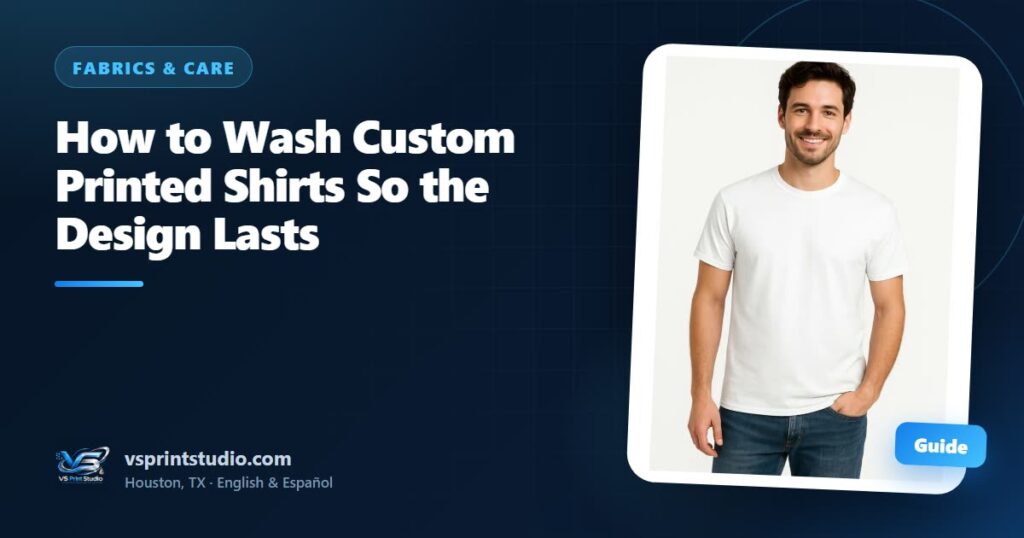
How to wash printed shirts, in one sentence: turn the shirt inside out, wash it cold on a gentle cycle with a mild detergent, skip bleach and fabric softener, dry it on low heat or hang it up, and never iron directly over the print.
That routine protects every kind of custom print we make at VS Print Studio in Houston: DTF, heat-transfer vinyl, screen printing, sublimation and embroidery. Below you will find the steps in order, what changes by print method and by garment, how to handle stains, and a care card you can copy for yourself or for a gift.
How to wash a printed shirt, step by step
- Wait before the first wash. Give a new print a full day to settle before it goes in the machine. This is a common precaution for heat-applied designs and it costs nothing. If your order came with its own care note, follow that note first.
- Check the garment label. The label rules still apply. The print adds limits on top of them, so if the label allows hot water, use cold anyway. For care specific to one model, check its product page.
- Turn the shirt inside out. The print then faces inward, and the plain side of the shirt takes the rubbing from the drum and the rest of the load. Hoodies and sweatshirts get the same treatment.
- Build a sensible load. Wash with similar colors and soft items. Keep jeans, towels and anything with zippers, hooks or Velcro out of it, because they scrape prints. A crowded drum rubs more, so do not overfill it. For a favorite shirt, a mesh laundry bag adds one more layer of protection.
- Choose cold water, the gentle cycle and a mild detergent. A liquid detergent dissolves well in cold water. Do not add bleach of any kind.
- Leave out fabric softener. That includes liquid softener and dryer sheets. They can leave a film on the fabric and around the print that works against the bond.
- Dry on low heat, or hang the shirt up. Hanging is the gentlest option. If you use the dryer, choose low heat and take the shirt out as soon as it is dry. Dry it inside out and out of direct sun when you can.
- Do not iron over the print. The best plan is not to iron at all. If wrinkles bother you, iron from the inside, or lay a thin cotton cloth over the design. Use low heat and keep the iron moving. Never rest an iron directly on the print.
Why these rules matter
Most custom prints on shirts are a thin layer that sits on top of the fabric, held by a heat-activated adhesive (DTF and vinyl) or by cured ink (screen printing). That layer is flexible, but it is not indestructible. Heat, harsh chemicals and rubbing wear it down, and a shirt that shrinks under it puts the print under strain. Every step above removes one of those stresses.
Sublimation and embroidery work differently. Sublimation dye lives inside polyester fibers and embroidery is stitched thread, so neither can crack or peel the way a surface layer can. They are more forgiving, but they still age faster with hot water, bleach and strong sun.
Care by print method: quick reference
| Method | How to recognize it | Wash and dry | Extra caution |
|---|---|---|---|
| DTF | Full color, felt as a thin, flexible film | Inside out, cold, gentle; low heat or hang | Keep the iron off the print and skip softener |
| Heat-transfer vinyl | Solid-color letters or shapes with crisp edges, often names and numbers | Same routine | Do not pick at the edges or iron over the vinyl |
| Screen printing | A flat, firm layer of ink | Same routine | Avoid scraping from zippers and rough fabrics |
| Sublimation on polyester | You cannot feel it at all; white or light polyester | Cold, gentle; low heat or hang | No bleach; if you must iron, do it from the inside on low |
| Embroidery (polos, hats) | Raised stitches, thread visible on the back | Inside out, gentle; hang or low heat | Iron from the inside over a towel; trim loose threads, never pull them |
DTF and screen printing can feel alike. If you cannot tell which one you have, the routine above is right for both. Embroidered caps usually keep their shape best when you spot clean them or hand wash them and let them air dry, rather than putting them through the machine. Our guide to DTF, sublimation and screen printing explains how each method works.
Does the garment change the routine?
A little. The basics stay the same, and these details help:
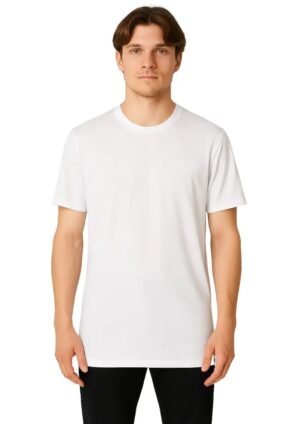
- Cotton tees, such as our Gildan G500 Heavy Cotton tee: cotton can shrink with heat, so cold water and low dryer heat matter most here. If you are still picking the blank, our cotton vs polyester guide compares the fabrics.
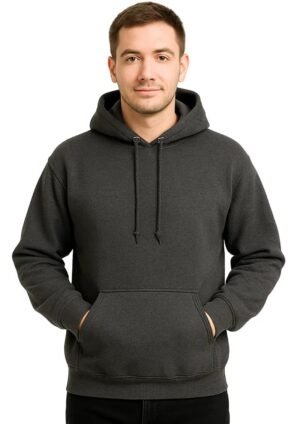
- Hoodies and sweatshirts, such as the Gildan G185 hoodie: thick fleece takes the longest to dry, which is when people turn the dryer up. Hang it, or stay on low and be patient.
- Dark shirts: wash them with other dark items. Dark cotton fades slowly like any dark garment, and cold water plus low heat keep the shirt and the design aging together.
- Polyester sports shirts: cold water, no softener (it can coat the fibers and spoil moisture-wicking), and low heat or hang to dry. Heat can also push a dark polyester shirt’s own dye into a light print. Decorators call this dye migration, and it is one more reason to keep these shirts cool and skip the iron.
- White polyester made for sublimation, such as our white polyester sublimation tee: the dye is inside the fibers, so the print will not crack, but harsh bleach and strong sun can dull it over time.
- A favorite shirt: hand washing is the gentlest option. Use cold water and a little mild soap, press the shirt in the water instead of scrubbing, rinse, then press the water out with a towel. Do not wring or twist it.
How do you remove stains and sweat odor?
Work from the inside of the shirt when you can, so you are not rubbing the print itself.
- Blot fresh spills with a clean cloth. Do not rub.
- Dab a little mild detergent or dish soap into the stain with your fingers or a soft cloth, then rinse with cold water.
- Skip stiff brushes, bleach pens, solvents and strong stain removers on or next to the print. If you want to try a product, test it first on an inside seam.
- Wash the shirt soon, and make sure the stain is gone before it goes in the dryer. Dryer heat can set a stain for good.
For sweat and odor, wash the shirt soon after wearing it and do not leave it damp in a hamper or a gym bag. Houston humidity makes a damp pile of clothes smell fast.
How should you store printed shirts?
Make sure the shirt is completely dry, then fold it or hang it. Avoid packing printed shirts print against print in a hot place. In a closed car trunk or a sunny window, heat and pressure can make prints stick to each other, and a parked car in a Houston summer gets hot enough to matter. A closet or a drawer is a better home.
Common mistakes that shorten a print’s life
Each of these habits has a predictable cost, and each has an easy replacement.
| Mistake | What it can do | Do this instead |
|---|---|---|
| Washing the shirt the day you get it | Edges can lift before the design has settled | Wait a full day |
| Hot water because a stain looks serious | Softens the adhesive and shrinks cotton, so the print wrinkles and cracks | Cold water and a gentle cycle |
| Finishing a damp hoodie in a high-heat dryer | The same damage, only faster | Low heat, or hang it up |
| Bleach or a harsh detergent | Eats at the color and at the bond with the fabric | A mild detergent only |
| Fabric softener to make the shirt feel softer | Leaves a residue that can make edges lift | Leave it out |
| Ironing straight on the print for a second | Flattens, shines, sticks or melts the print | Iron from the inside, use a cloth, or skip it |
| Washing right side out with jeans, towels or zippers | Scrapes and dulls the surface | Inside out, similar soft items, a mesh bag |
| Leaving a wet shirt in the machine or the hamper | A musty smell that can be hard to wash out | Wash soon and dry it fully |
A care card you can copy
Copy these lines into a note on your phone, or print them and slip them into a gift bag. The person wearing the shirt was probably not there when you ordered it, so a few lines of instructions go a long way. If you are organizing a group order, add them to the day-of handout. Our guide on how to order custom shirts for a group walks through the rest of that plan, and personalized gift ideas has more ideas for what to give.
- Wait a full day before the first wash
- Turn the shirt inside out
- Cold water, gentle cycle, mild detergent
- No bleach and no fabric softener
- Hang to dry, or tumble dry on low
- Never iron directly over the print
- Keep it away from zippers, Velcro and rough fabrics in the wash
- Store it dry, folded or hanging, away from heat and direct sun
What if the print cracks or peels anyway?
Some wear is normal. After many washes a print can soften and fade a little, the same way the shirt does. Fine cracks, lifted edges or peeling in the first few washes are different, especially if you followed the steps above.
If that happens, message us on WhatsApp or through the help center with close-up photos of the print, a photo of the shirt’s care label, your order details and a short note on how it was washed and dried. We will tell you what we see and what can be done. Our guide to why prints crack or fade explains the usual causes, and how long custom prints last shows how each method ages.
How we can help
Choosing the shirt is part of caring for the print. Tell us how the shirts will be worn and washed, and we match the method to the job: DTF for most cotton and dark colors, sublimation for white or light polyester. We build the print-ready file and send a mockup, and nothing goes to print until you approve it. Most standard orders are ready in 2–5 business days after that approval.
Start with our custom t-shirts or ask for a free quote with your idea. Collect your order in Houston, or let us ship it anywhere in the U.S., and write to us in English or Spanish. Drinkware has its own rules, which we cover in how to care for sublimated tumblers and mugs.
Products mentioned in this guide
-
T-shirt
Gildan G500 Heavy Cotton™ 5.3 oz T-Shirt
$17.99 Select options This product has multiple variants. The options may be chosen on the product page -
Men
JenPen Unisex Sublimation Shirt – White Polyester T-Shirt for Custom Printing
$17.99 Select options This product has multiple variants. The options may be chosen on the product page -
Hoodie
Gildan G185 Heavy Blend™ Adult Hooded Sweatshirt
$26.99 Select options This product has multiple variants. The options may be chosen on the product page

Frequently asked questions
Can I wash a custom printed shirt right after I get it?
It is better to wait a full day. Giving a heat-applied design a day to settle is a common precaution and costs nothing. After that, wash the shirt inside out in cold water on a gentle cycle, and dry it on low heat or hang it up. If your order came with its own care note, follow that note first.
Can I put a printed shirt in the dryer?
Yes, on low heat, as long as you take the shirt out when it is dry. High heat is hard on DTF, vinyl and screen prints and on the shirt itself, because cotton can shrink while the print does not. Hanging the shirt up, inside out, is the gentlest way to dry it.
Can I iron a shirt with a printed design?
Not directly. Never rest the iron on the print, because heat can flatten, shine, stick to or melt it. If you need to iron, turn the shirt inside out, use low heat and keep the iron moving, or put a thin cotton cloth between the iron and the design. Hanging the shirt right after the dryer also lets many wrinkles fall out.
Is it safe to use bleach or fabric softener on printed shirts?
No. Bleach attacks the color and the bond between the print and the fabric, and softener can leave a residue that makes the edges lift. Use a mild detergent and cold water instead. This applies to every method we use, including sublimation and embroidery, which are more forgiving but still age faster with bleach.
Why should printed shirts be washed inside out?
Inside out, the print faces inward and the plain side of the shirt takes the rubbing from the washer drum, zippers and other clothes. Less rubbing means less scraping, fading and lifted edges. It takes two seconds and helps every method, from DTF and vinyl to screen printing, sublimation and embroidery.
Do sublimated polyester shirts and embroidered polos need different care?
The basics are the same: inside out, cold, gentle, and low heat or hanging to dry. Sublimated polyester cannot crack or peel, since the dye sits within the fibers, but bleach and strong sun can still dull it. Embroidered polos do best with a gentle wash, no hooks or Velcro in the load, and ironing from the inside over a towel.
Practical guides from our studio in Houston, Texas. We prepare your print-ready file, show you a mockup and print nothing until you approve it. Questions? Message us in English or Spanish. About us
More guides for you

Custom Hoodies: How to Choose a Hoodie or Sweatshirt to Print On
How to choose between a hoodie and a crewneck for custom printing, with a comparison of the fleece models we list, print placement around the pocket and drawcords, youth sizes and group-order tips.
Cotton vs Polyester Shirts: Which Fabric Should You Print On?
A plain-English guide to choosing the shirt fabric before you order: how cotton, polyester and 50/50 blends feel, which print method each one takes, and real examples from our catalog.
How to Care for Sublimated Tumblers and Mugs So the Print Lasts
How to wash, dry and protect sublimated tumblers and mugs so the design stays sharp, with a care table by piece, tips for lids and stains, and a care card for gifts.
Tell us your idea — we make it real
Send your design, your idea or just a description. We prepare the file at the right size and personalize it for you — in English or Spanish, by message or on WhatsApp.