DTF vs Sublimation vs Screen Printing: Which Is Right for Your Order?
A plain-English comparison of the five ways custom apparel and gifts get decorated, with a decision table, honest limits and the rule we use to quote Houston orders.
The short answer: use DTF for most custom shirts (cotton, blends, dark colors, one piece or mixed orders), sublimation for white or light polyester and for coated drinkware and gifts, screen printing for large runs of the same design, heat-transfer vinyl for names and numbers, and embroidery for caps and polos.
That is the rule of thumb we use at VS Print Studio in Houston when we quote an order. The rest of this guide shows how each method works, what it cannot do, and how to match it to your garment, your design and your quantity, so you can ask for the right thing or simply let us choose for you.
Which method for which job? Quick answers
| Your job | Best method | Why |
|---|---|---|
| One personalized shirt in any color | DTF | Full color with no per-color setup, so a single piece makes sense |
| Team or family shirts with the same design | DTF or screen printing | DTF for small and mixed runs, screen printing when the quantity is large |
| Names and numbers on the back | Heat-transfer vinyl | Clean, solid letters that are easy to personalize one by one |
| All-over design on a white polyester shirt | Sublimation | The dye becomes part of the fabric: no feel, no cracking |
| Mugs, tumblers, keychains, frames, pillow covers | Sublimation (vinyl for a simple name) | Full-color, edge-to-edge art on coated surfaces |
| Dark shirt with a photo or a gradient | DTF | A white ink layer lets every color show on dark fabric |
| Caps, polos and jackets | Embroidery | Stitched thread looks premium and survives heavy use |
If your job fits two rows, that is normal. The sections below explain the trade-offs, and our print-ready artwork checklist shows what to send us whichever method you choose.
DTF (direct to film): the all-rounder
DTF is behind most of the custom shirts we make, because it works on more fabrics and colors than any other option. If you want the full story, read what DTF printing is and how it works. Here are the essentials.
How it works
- The design is printed in full color, plus a layer of white ink, onto a clear film.
- Adhesive powder is applied to the wet ink and cured.
- The film is positioned on the garment and heat-pressed.
- The film is peeled away and the design stays on the fabric.
Where DTF shines
- It works on cotton, polyester and blends, in light and dark colors.
- It handles photos, gradients and fine detail.
- There are no screens and no extra setup per color, so small and mixed orders are practical.
- Names, sizes and even designs can differ inside the same order.
Where DTF is weaker
- The print sits on top of the fabric as a thin, flexible film layer. You can feel it, although a well-made transfer stays soft and stretches with the garment.
- A very large, solid design covers a lot of the shirt and breathes less than a small one.
- For hundreds of identical shirts, screen printing is usually the more practical route.
Sublimation: permanent, but only on the right surface
Sublimation uses dye, not ink that sits on top. The design is printed on transfer paper, and then heat and pressure turn the dye into a gas that bonds with polyester fibers or with the special coating on a mug or tumbler. Because the color ends up inside the surface, you feel nothing on the fabric and the print cannot crack or peel.
What sublimation needs
- White or light-colored polyester (or a high-polyester fabric). The lighter the base, the brighter the result.
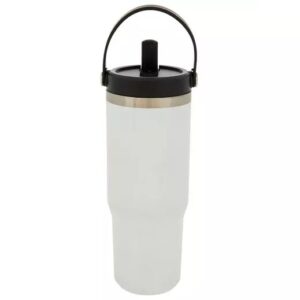
- Items made or coated for sublimation, such as our white stainless tumblers, 11 oz mugs, keychains, photo frames and pillow covers.
When the surface is right, sublimation is the best choice for full-color, edge-to-edge artwork and for photos. Our white polyester sublimation tee and 11 oz ceramic mug are made for it, and our tumbler and mug size guide lists the exact wrap size of each piece. For the full explanation, see what sublimation printing can and cannot do.
Screen printing: the bulk-order champion
In screen printing, a stencil is burned into a mesh screen for each color, and ink is pushed through it onto the garment. The look is bold, solid and durable, and every extra piece costs less once the screens are ready.
That setup is also its limit. Each color needs its own screen, so a design with many colors, or a single shirt, is a poor fit. Photos and smooth gradients need special techniques. For a handful of pieces, the preparation outweighs the benefit.
We quote screen printing when the quantity and the number of colors make it the better choice, for example a large run of the same design for a company or an event. For most small and mid-size jobs, DTF is usually the more practical option because there is no screen setup. If you are planning a big order, our guide on how to order shirts for a group explains how to organize it.
Heat-transfer vinyl (HTV): names, numbers and simple shapes
Vinyl comes in colored sheets. A machine cuts the letters or shapes, the extra vinyl is removed (this is called weeding), and the design is heat-pressed onto the garment.
- Strengths: crisp, solid letters; easy to personalize each piece with a different name or number; durable; ideal for jerseys and team shirts.
- Limits: solid colors only, so no photos or gradients; layering several colors adds thickness; very small details are hard to cut and weed.
A common combination is a DTF or screen-printed logo on the front with vinyl names and numbers on the back. If you are deciding between vinyl and DTF for a design, read DTF vs heat-transfer vinyl.
Embroidery: the premium look for caps and polos
Embroidery does not print anything. The design is converted into stitch instructions (this is called digitizing) and a machine sews it with thread. The result has texture, a premium feel and excellent durability, and it works on structured items such as caps where printing is awkward.
Its limits are about detail. Tiny text and gradients do not stitch well, very large designs get heavy, and colors are limited to thread colors. We offer embroidery for custom hats and caps and polos such as our piqué polo. Our comparison of embroidery vs printing for hats and polos shows when each one is the better call.
Side-by-side comparison
| Method | Fabrics | Dark garments | Photos and gradients | Feel | Sweet spot |
|---|---|---|---|---|---|
| DTF | Cotton, polyester, blends | Yes | Yes | Thin, flexible film layer | One piece to a medium run, mixed designs |
| Sublimation | White or light polyester, coated items | No | Yes, on the right surface | None, it is inside the surface | Gifts, drinkware, all-over polyester |
| Screen printing | Most fabrics | Yes, with a white base layer | Limited | Layer of ink | Large runs of one design |
| Heat-transfer vinyl | Cotton, polyester, blends | Yes | No, solid colors only | Smooth vinyl layer | Names, numbers, simple logos |
| Embroidery | Caps, polos, jackets, structured fabrics | Yes | No | Raised stitches | Uniforms and headwear |
How to choose in four questions
- What is it made of? Cotton or a blend points to DTF, screen printing or vinyl. White or light polyester also opens the door to sublimation. Mugs and tumblers are usually sublimation, or vinyl for a simple name. Caps and polos point to embroidery. Our cotton vs polyester guide helps when you are choosing the blank.
- What color is it? Dark or colored fabric rules out sublimation.
- How detailed is the design? Photos, gradients and many colors lean toward DTF or sublimation. One or two flat colors suit vinyl or screen printing.
- How many pieces, and do they differ? One-offs and mixed names suit DTF and vinyl. Large identical runs suit screen printing.
What affects the cost of each method
We do not publish a price list for custom work because the number depends on your order, but these are the factors that move it:
- Quantity. Methods with setup, like screen printing and embroidery, get better value as the run grows. DTF and vinyl stay practical for small runs.
- Number of colors. Screen printing adds a screen per color. DTF does not.
- Size of the print. A full back costs more effort than a left-chest logo.
- The garment. Blank shirts, hoodies, polos and drinkware all have different base costs.
- Design work. A ready file is quicker than a sketch or an idea that we have to build for you.
The fastest way to compare real numbers is to ask for a free quote with the item, the quantity and the date you need it.
Mistakes people make when choosing a method
- Choosing sublimation for a cotton or dark shirt. The design will fade or never show. Use DTF.
- Asking for vinyl on a photo. Vinyl is solid color. Photos need DTF or sublimation.
- Screen printing five shirts. The setup does not pay off at that size.
- Embroidering tiny text. Letters smaller than a stitch can hold turn into a blur. Print the small text or enlarge it.
- Picking the method before the garment. The fabric and its color decide most of it, so choose the blank first or send us a photo of the label.
Care and durability, honestly
How long a print lasts depends on four things: the method, the fabric, how well the print was applied and cured, and how you wash the garment. Sublimation on polyester and on coated drinkware is the most permanent, because the dye is inside the surface. Embroidery also handles hard use well. Prints that sit on cotton last longest with gentle care.
For shirts, the basics are the same for every method: turn the garment inside out, wash cold on a gentle cycle and never iron directly over the print. Our full guide on how to wash custom printed shirts has the details, and how long custom prints last explains what to expect from each method. We do not quote wash counts because they depend too much on how the garment is treated.
How we pick the method for your order
You do not have to decide. When you ask for a quote you can describe what you have in whatever form it exists: a finished design, a rough idea, a photo of a sketch or only a sentence. We look at the item, the color, the detail in the design and the quantity, recommend a method and show you a mockup. Nothing is printed until you approve it, and most standard orders are ready in 2–5 business days after approval. You can pick up in Houston or have it shipped across the U.S., and we answer in English or Spanish.
If you already know what you want, go straight to custom t-shirts or custom tumblers and mugs. If you want to see the whole process, read how made-to-measure printing works.
Before you order: a quick checklist
- I know the item and its fabric, or I can send a photo of the label
- I know the garment color
- I have a design, an idea or a description, and the exact text
- I know the quantity and the sizes, or I can collect them
- I know the date I need it
- I have no preference about method: I will let the studio recommend one
Products mentioned in this guide
-
T-shirt
Gildan G500 Heavy Cotton™ 5.3 oz T-Shirt
$17.99 Select options This product has multiple variants. The options may be chosen on the product page -
Men
JenPen Unisex Sublimation Shirt – White Polyester T-Shirt for Custom Printing
$17.99 Select options This product has multiple variants. The options may be chosen on the product page


Frequently asked questions
Which is better, DTF or sublimation?
Neither is better in general; they suit different surfaces. DTF works on cotton, blends and dark colors, and it prints photos in full color. Sublimation only works on white or light polyester and on coated items like mugs and tumblers, but on those it gives a permanent, feel-free result. Choose by fabric and color first, then by design.
Can sublimation print on cotton or dark shirts?
Not well. Sublimation dye bonds to polyester or to a special coating, and there is no white dye, so on cotton it washes out and on dark fabric it barely shows. For cotton or dark shirts, DTF is the better method. Sublimation is the right choice for white or light polyester, mugs, tumblers and other coated items.
Is DTF the same as heat-transfer vinyl?
No. DTF prints a full-color design on film and transfers it with heat, so it can carry photos and gradients. Vinyl is cut from solid-color sheets, so it is limited to flat colors, but it is excellent for crisp names and numbers. Many team orders use both: DTF for the logo and vinyl for the names.
Which print method lasts the longest?
It depends on the surface and your care. Sublimation on polyester and coated drinkware is very durable because the dye sits inside the material, and embroidery handles heavy use well. Prints on cotton last longest when you wash them inside out, cold and gentle, and avoid ironing directly on the design.
What if I am not sure which method I need?
Send us the item or a photo of its label, the color and your idea, and we recommend the method when we quote your order. You can also send only a description or a sketch. We prepare the file, show you a mockup and print nothing until you approve it.

Practical guides from our studio in Houston, Texas. We prepare your print-ready file, show you a mockup and print nothing until you approve it. Questions? Message us in English or Spanish. About us
More guides for you
Best Way to Print on Dark Shirts (and Why Sublimation Won’t Work)
Why dark garments are harder to print, which methods work, which colors read best and how to prepare artwork so your logo or photo looks right on black, navy or charcoal.
What Is Sublimation Printing? What It Can (and Can’t) Do
A plain-English guide to sublimation printing: how the dye bonds, which materials work (and which never will), why white blanks look brightest and where we use it in Houston.
What Is DTF Printing? How It Works, Pros, Cons and Best Uses
A plain-English explanation of DTF printing: the steps, what it does well, where it is weaker, how it compares with other methods and when we choose it for Houston orders.
Tell us your idea — we make it real
Send your design, your idea or just a description. We prepare the file at the right size and personalize it for you — in English or Spanish, by message or on WhatsApp.